Applied Research · AWS Infrastructure · AEC Knowledge Management
Neural Asset Archives. Data Sovereignty.
A proof-of-concept, not a production system: testing whether automated visual-taxonomy generation is feasible under AI-KORP's data-sovereignty conditions — first against a single building, then extended to aerial imagery of six German logistics facilities.
Technical Architecture
From Passive Storage
to Active Intelligence
A serverless AWS pipeline intended to move a practice's archive from static storage to an active, queryable resource. Of these stages, only Rekognition has actually been run against real assets so far — manually, through the console, not via an automated trigger.
Proof of Concept · "Industrial Workshop" Test Content
Machine Perception — Building Scale.
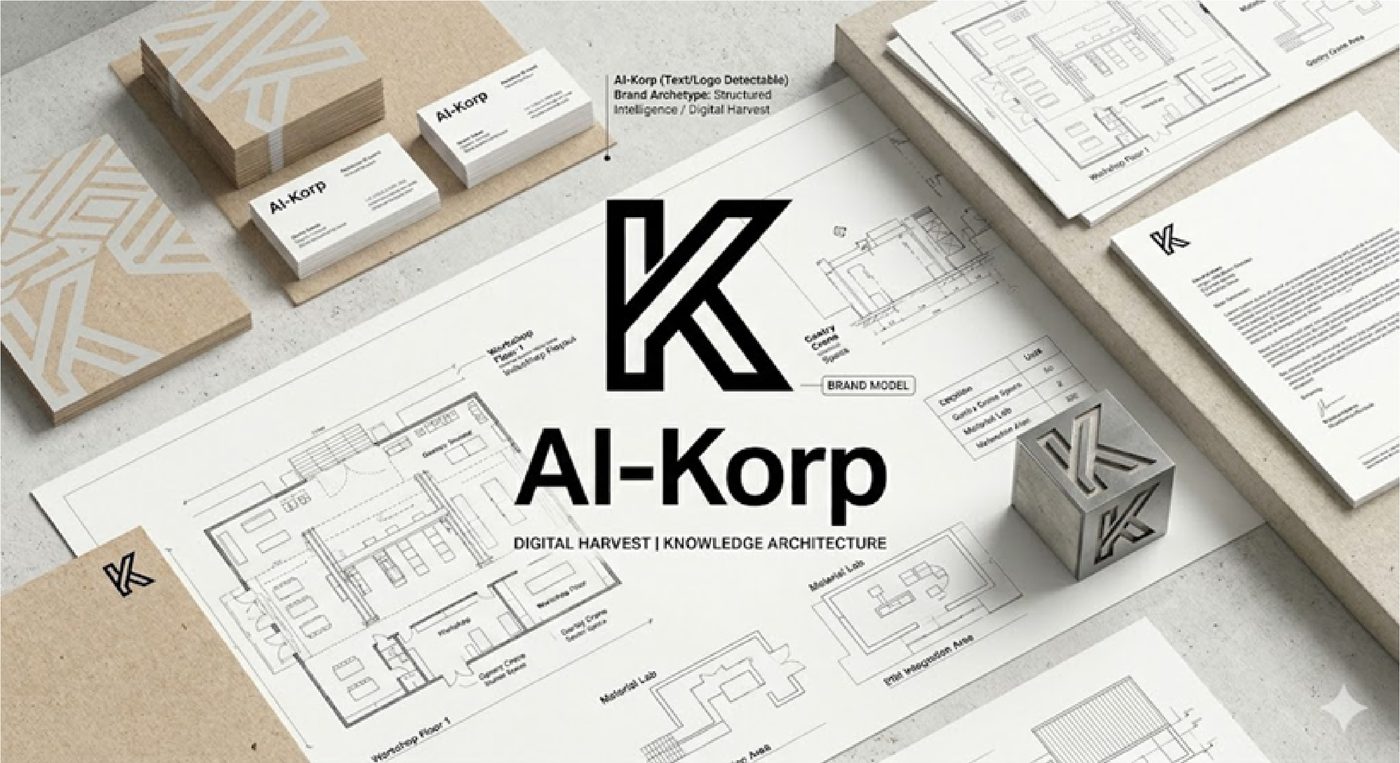
A fictitious "Industrial Workshop" case — built and labelled explicitly as test content, not a real commission — was used to test the pipeline's ability to differentiate brand identity, material texture, and spatial context across three asset types.
| Asset | What Rekognition Returned | Basket |
|---|---|---|
| Brand context | Diagram, Business Card, Text — high-confidence labels for graphic and typographic content. | INTELLECTUAL |
| Spatial context | 99.8% Architecture and Building, 64.9% Manufacturing on the same image. | SPATIAL |
| Material context | Corrosion, Rust — surface-condition labels on a rusted steel panel. | CREATIVE |
Rekognition Confidence — Spatial-Context Asset


Extending to Urban Scale · Six Facilities, Aerial Imagery
The Same Question, from Above.
Publicly available aerial imagery of six German logistics facilities, examined without classifier intervention. Each shows one of three ways brand and architecture fuse into a single visual layer — evidence that any AI system trained on this material would be reading brand as much as structural type.
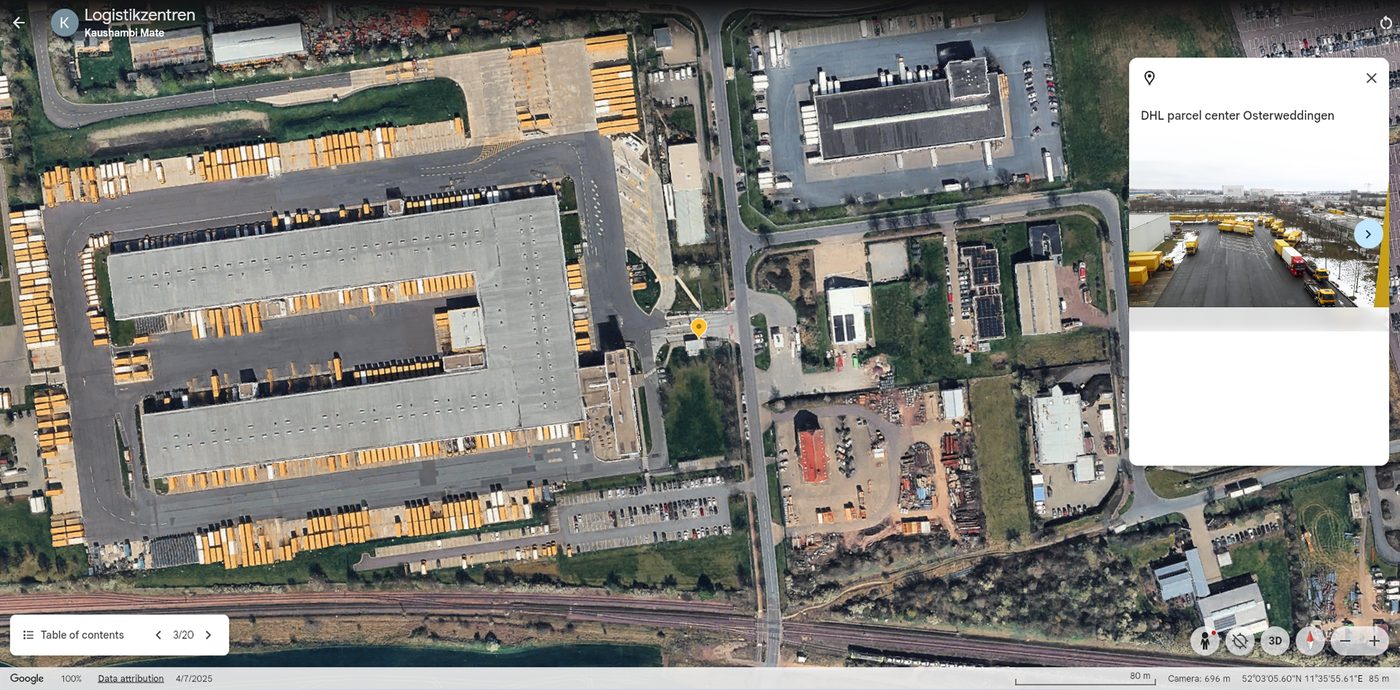
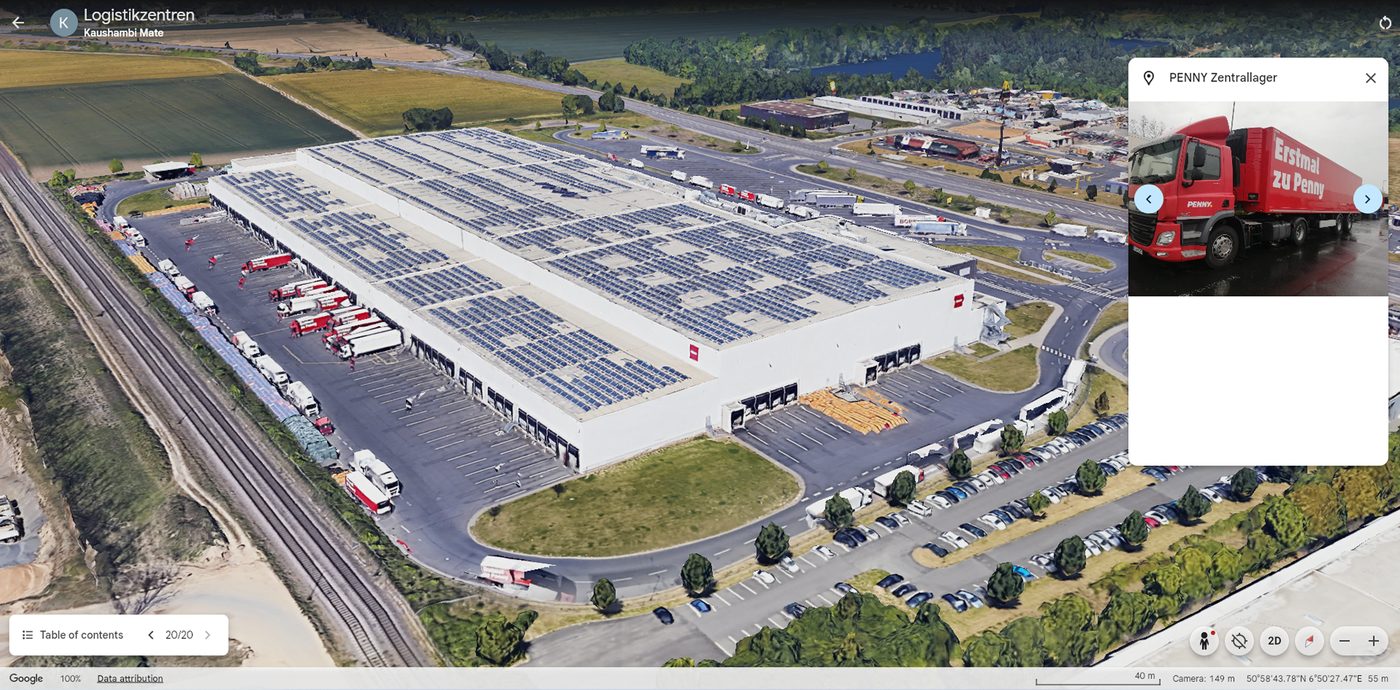
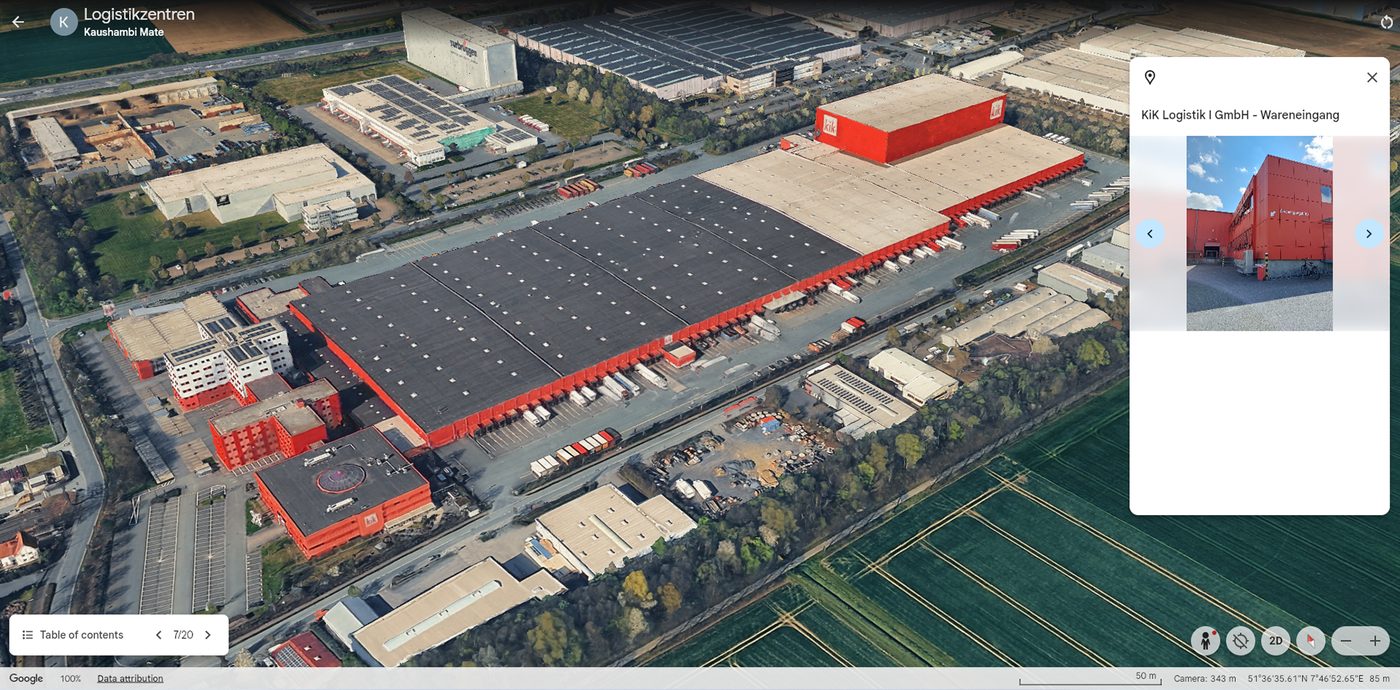
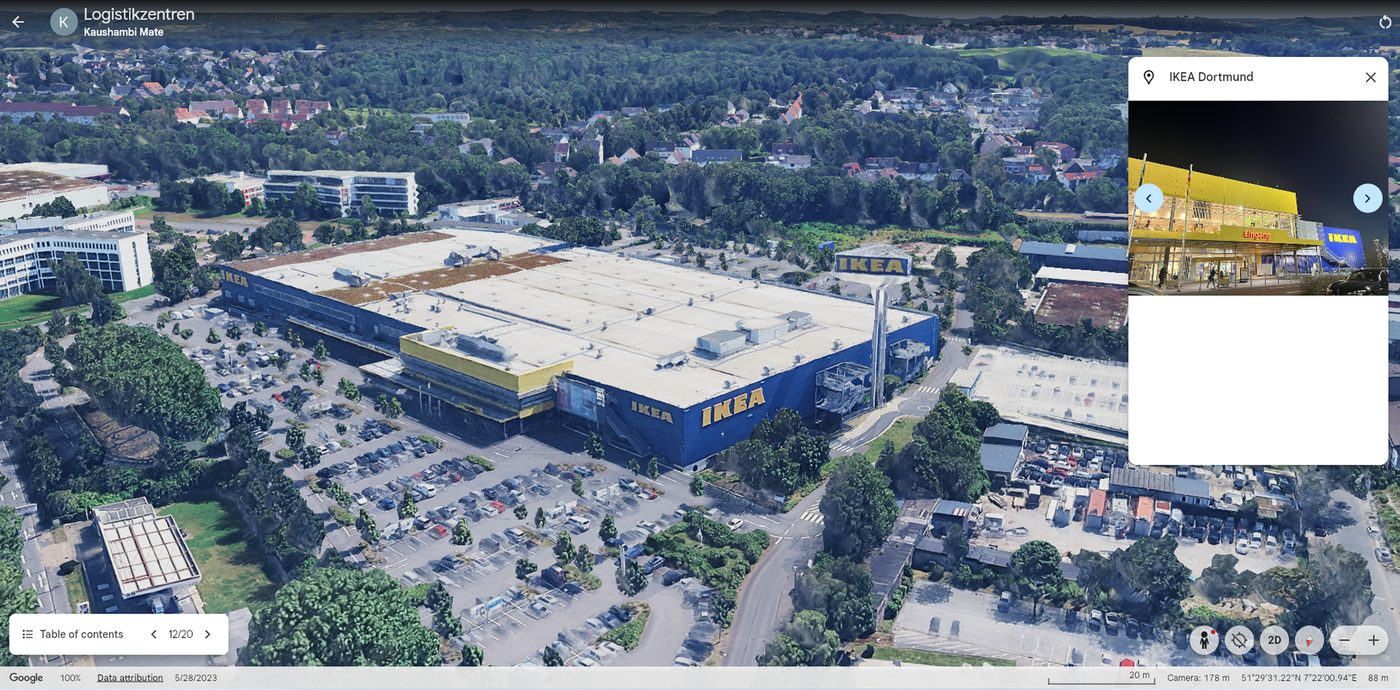
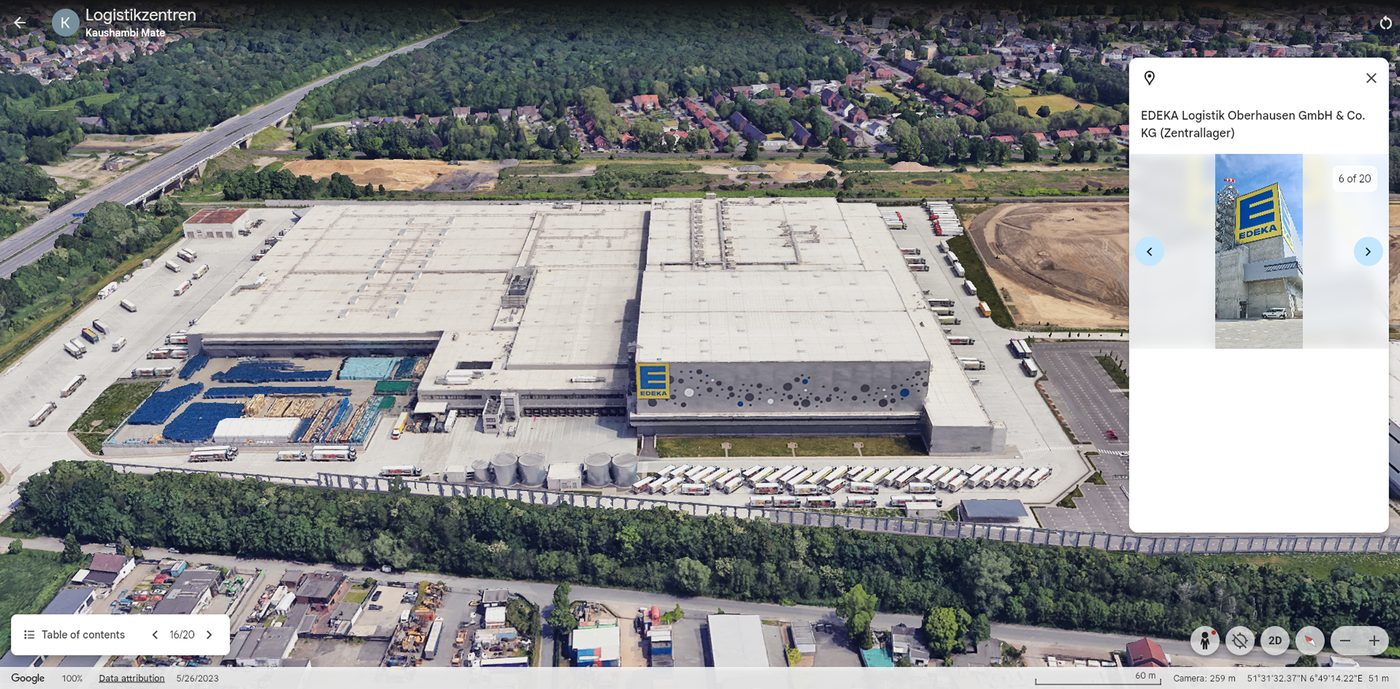
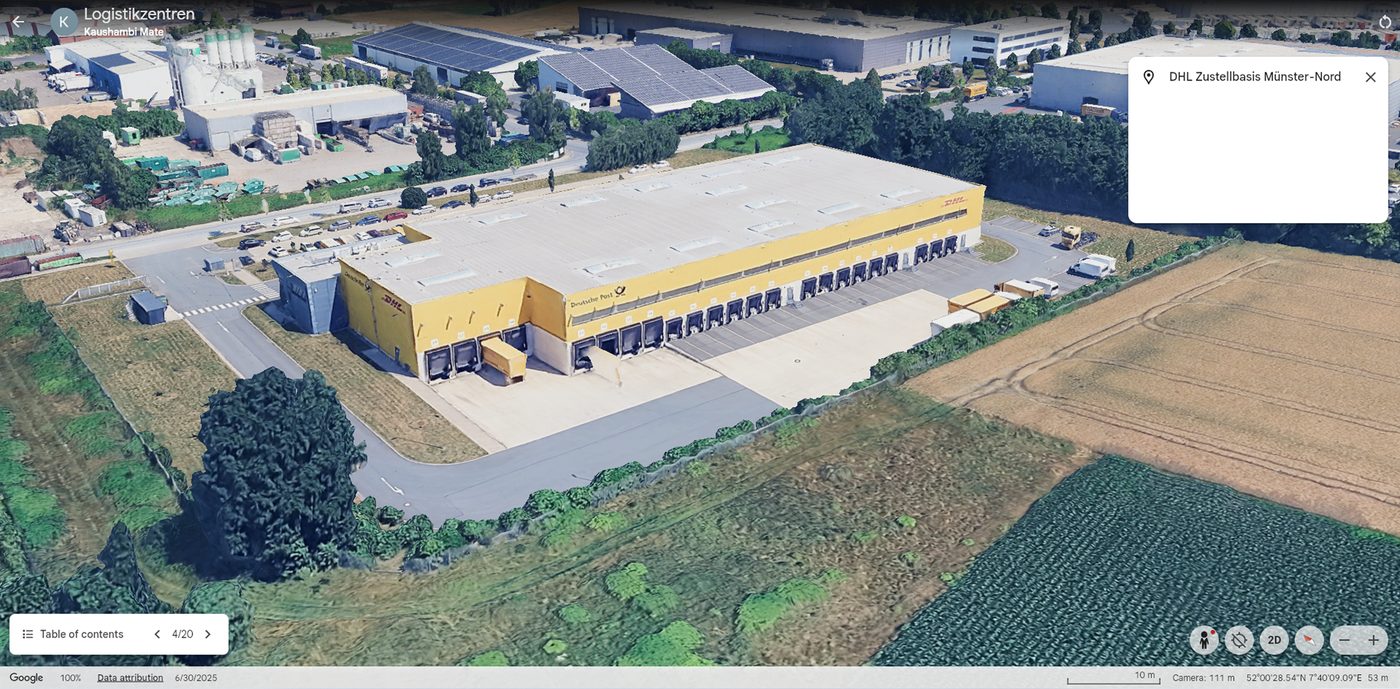
Imagery drawn from Google Earth, used as documentary evidence of an existing, publicly visible urban pattern, captioned per Google's attribution requirements. See the preprint for full methodology and coordinates. Read the Preprint ↗
Governance & Sovereignty
Responsible Architecture
by Design.
All research conducted with personal subscriptions and private hardware. No proprietary client data used. This framework does not claim "EU AI Act compliance" — a legal status only a qualified assessment can confer — its ambition is to stay aligned with the Act's literacy and disclosure logic.
This is a proof-of-concept study. Building-scale evaluations used synthetic test assets; no client IP was used. The urban-scale aerial imagery documents a publicly observable pattern, not a client project. The pipeline demonstrates feasibility, not a finished capability, under a non-training clause.